

This article is general information for parents, not medical advice. Always talk to your GP or paediatrician about your child's sleep and any supplement.
Magnesium glycinate and melatonin work in completely different ways. Melatonin is a hormone that acts like a timing signal, telling the body it is night. Magnesium is a mineral involved in normal nervous-system function, and the glycinate form is chosen for kids because it is gentle and well absorbed. For families who want a gentle option woven into a nightly routine, magnesium glycinate is the more conservative choice; melatonin is better thought of as a short-term, GP-guided tool. We make a magnesium-based product, so read our take knowing that, and check the sources we cite.
How melatonin works
Your child's brain already makes melatonin every evening as light fades. A melatonin supplement adds an external dose of that same hormone, which is why it can feel effective quickly, and also why paediatric bodies urge caution. The American Academy of Pediatrics notes that research on long-term use and safety in children is limited, and lists common side effects including morning sleepiness and drowsiness.

The pattern parents describe to us most often is not dramatic: melatonin worked at first, the dose crept up as the effect faded, and mornings got groggy. Because it is a hormone rather than a habit, it also does nothing to build the bedtime skills that carry a child through the nights when the bottle is empty.
How magnesium glycinate works
Magnesium is a mineral your child already gets from food. The NIH Office of Dietary Supplements describes its role in regulating muscle and nerve function, and sets recommended daily amounts for children from 30mg for babies up to 240mg by ages 9 to 13. Plenty of everyday foods carry it: pumpkin seeds, almonds, spinach, banana, even dark chocolate.

A magnesium supplement tops up that dietary intake. It is not a knockout drop and it does not signal "sleep now" the way a hormone does. Parents who switch from melatonin usually describe the difference as "less wired at bedtime" rather than "sedated," with the routine itself doing the heavy lifting. The glycinate form matters: it pairs magnesium with glycine, which makes it gentle on small stomachs, where other forms like citrate are more associated with digestive looseness. One thing to respect: the NIH sets upper limits for supplemental magnesium in children (65mg per day for ages 1 to 3, rising with age), which is why the label age range and your GP both matter.

Side by side
| Melatonin | Magnesium glycinate | |
|---|---|---|
| What it is | A hormone | A mineral |
| How it feels | A "sleep now" signal | Settled, less wired |
| Mornings | Drowsiness is a listed side effect (AAP) | No hormone to sleep off |
| Long-term research in kids | Limited (AAP) | A dietary mineral with established daily amounts and upper limits (NIH) |
| Common pattern | Dose creep as effect fades | Works alongside the routine |
| Best thought of as | Short-term, GP-guided tool | Gentle nightly routine support |

Where melatonin genuinely has a place
An honest comparison says this plainly: melatonin is not a villain. Used short term and under a GP's guidance, it can help reset a badly shifted body clock, for example after long-haul travel, and some children under specialist care are prescribed it deliberately. The concerns are about routine, open-ended, parent-dosed use, which is exactly the way most gummy jars end up being used. If that is where your family has drifted, our guide to moving your family off melatonin was written for you.
Where magnesium glycinate fits

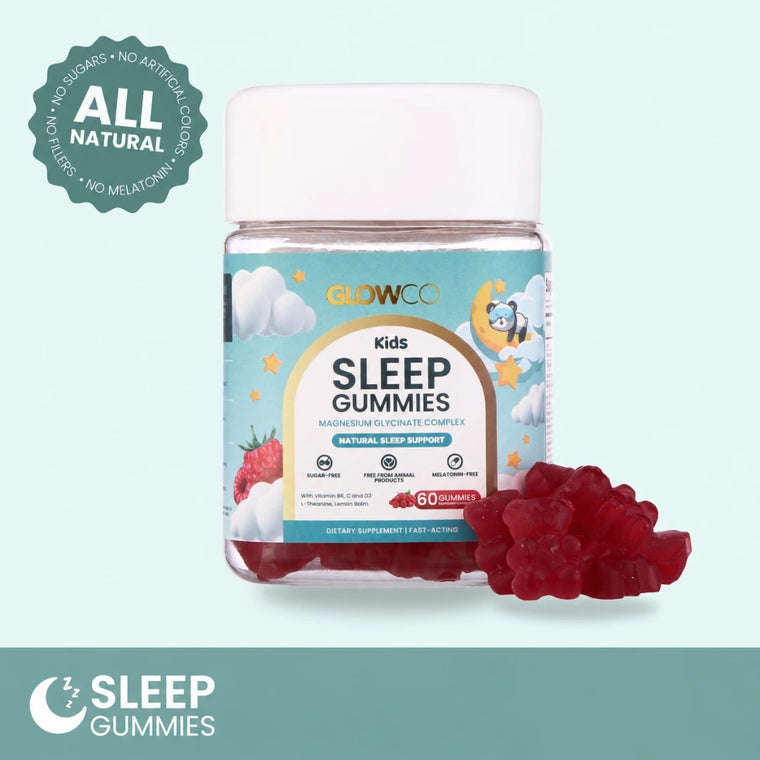
Magnesium glycinate suits the family that wants a gentle, non-hormonal step inside a consistent wind-down: bath, pyjamas, story, gummy, lights out. That is the thinking behind our own Glowco Kids Sleep Gummies: a magnesium glycinate complex with lemon balm, L-theanine and vitamins B6, C and D3, sugar-free and completely melatonin-free. Waking up clear-headed is the thing parents mention most in our reviews, and the families using them rate them 5.0 out of 5.
If you want the deeper detail on the mineral itself, our plain-English explainer on magnesium glycinate for kids goes further, and our comparison of the best melatonin-free sleep gummies puts the leading brands side by side.
How to choose for your child
- Bedtime is a nightly battle and you want a gentle routine helper: magnesium glycinate, per the label age range, inside a consistent wind-down.
- The body clock is genuinely shifted (travel, a rough patch of very late nights): talk to your GP; short-term melatonin may be exactly what they suggest.
- Your child is already on melatonin and the dose keeps creeping: that is usually the sign to rebuild the routine rather than raise the dose. Our piece on melatonin alternatives for kids maps the whole toolkit.
- Under 3, on medication, or snoring and gasping at night: GP first, always.
Common questions from parents
Which is better for kids, magnesium or melatonin?
They do different jobs. Melatonin is a hormone that signals sleep and is best kept as a short-term, GP-guided tool. Magnesium glycinate is a mineral that supports a settled, calm feeling and suits nightly use inside a routine, per the product's label age range. For most families wanting a gentle everyday option, magnesium glycinate is the more conservative starting point.
Can kids take magnesium and melatonin together?
That is a question for your GP or paediatrician, who knows your child's health and any medication. Do not stack supplements on your own.
Is melatonin safe for kids long term?
The American Academy of Pediatrics notes that research on long-term use in children is limited, which is exactly why routine open-ended use is the pattern paediatricians caution against.
Does magnesium make kids groggy in the morning?
Magnesium is not a sedative hormone, so there is no dose to sleep off. Parents switching from melatonin most often tell us mornings are the first place they notice the difference.