

This article is general information for parents, not medical advice. Always talk to your GP or paediatrician about your child's sleep.
Most families looking for a melatonin alternative for kids end up using some mix of five things: a consistent bedtime and wake time, a screen cut-off an hour before bed, a dark and cool bedroom, a predictable wind-down routine, and a gentle supplement such as magnesium glycinate or chamomile. None of these work like a sleep drug. Together, they change the conditions your child falls asleep in, which is what actually moves bedtime.
We make melatonin-free sleep products for kids, so we have an obvious interest in this topic. We also hear from thousands of parents about bedtime every month, and this guide reflects what they tell us as much as what the research says. Where we mention our own products, we say so plainly.
Why parents are looking beyond melatonin
Melatonin is a hormone, not a herb, and paediatric bodies have become noticeably more cautious about routine use in children. The American Academy of Pediatrics notes that research on long-term use and safety in kids is limited, and lists common side effects including morning sleepiness and drowsiness. Accidental ingestions reported to poison control have also risen sharply as gummy melatonin became a pantry staple.

The pattern we hear most often from parents in our reviews is simpler: it worked at first, the dose crept up, and mornings got groggy. If that sounds familiar, you have plenty of company, and you have options.
One thing worth saying clearly: if your child snores loudly, gasps at night, or is exhausted despite long nights in bed, skip the supplements aisle and see your GP first. Those can be signs of something a routine will not fix.
Start with the routine (it beats every supplement)
Unglamorous, free, and better evidenced than anything in a bottle. The core four:
- Same bedtime, same wake time. Kids' body clocks are set by consistency, weekends included.
- Screens off 60 minutes before bed. Light from tablets and TVs suppresses your child's own natural melatonin, which is the exact thing you are trying to protect.
- Dark, cool, boring room. Blackout curtains earn their keep. Warmth and light both push sleep away.
- The same 3 to 4 steps every night. Bath, pyjamas, book, cuddle. A predictable sequence tells a child's nervous system what comes next, and repetition is what makes it work.
If the routine is solid and bedtime is still a battle, the next two sections are for you. If the routine is not solid yet, honestly, start there. Our complete guide to natural calm for kids walks through it step by step.
Magnesium glycinate: the gentle option many parents miss
Magnesium is involved in how the nervous system settles, and glycinate is the form most often chosen for kids because it is gentle on small stomachs and well absorbed. It is not a knockout drop, and that is the point. Parents who switch from melatonin usually describe the difference as "less wired at bedtime" rather than "sedated."

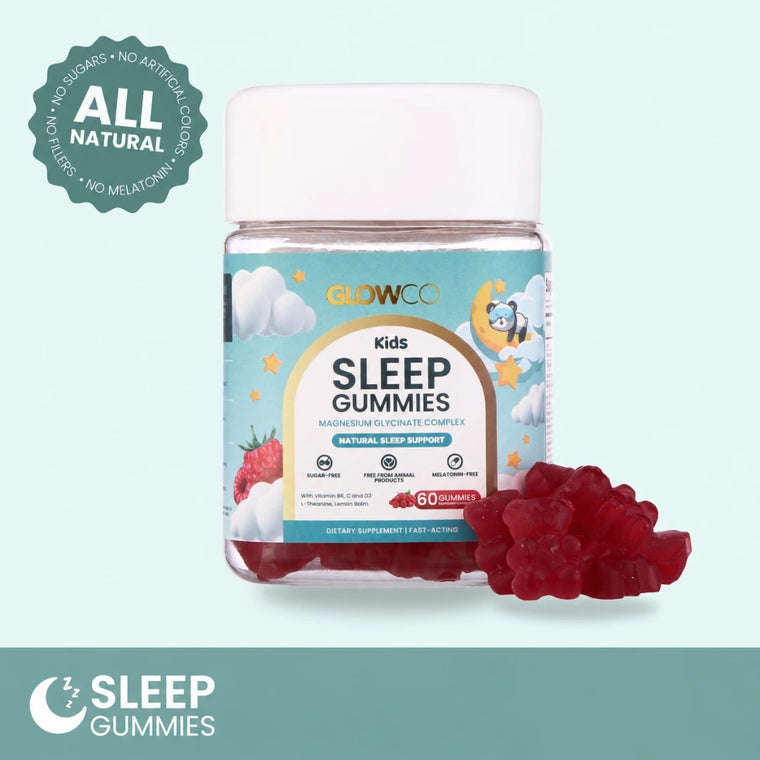
This is the ingredient our own Glowco Kids Sleep Gummies are built around: a magnesium glycinate complex with lemon balm, sugar-free, and completely melatonin-free. One gummy as part of the wind-down routine, no hormone involved. Waking up clear-headed is one of the things parents mention most in our reviews, and it is the thing we designed for.
If you want the deeper science first, we wrote a plain-English explainer on magnesium glycinate for kids, and an honest piece on choosing a sleep supplement without morning grogginess.
If you are choosing between brands, our comparison of the best melatonin-free sleep gummies for kids ranks the leading options side by side, including where ours falls short.
As with any supplement, check the label age range and run it past your GP, especially if your child takes other medication.
Chamomile, tart cherry and L-theanine
Three gentle options you will see recommended, with an honest read on each:
- Chamomile has a long tradition and a small body of research suggesting mild calming effects. A warm, weak chamomile tea can double as a lovely wind-down step. Evidence: modest. Risk: low, unless there is a ragweed allergy.
- Tart cherry juice naturally contains tiny amounts of melatonin and some parents swear by it. The research in children is thin, and juice near bedtime brings sugar with it. We would treat it as an experiment, not a plan.
- L-theanine, an amino acid from green tea, has some evidence for promoting a relaxed, quiet mind. Doses and formulations for children vary a lot, so this is one to discuss with your GP rather than guess at.
None of these are dramatic. Gentle options rarely are, and drama is not really what a six-year-old's bedtime needs more of.
Calming tools that skip supplements entirely
Some children do not need anything ingested at all. They need somewhere to put their restlessness while their body winds down.

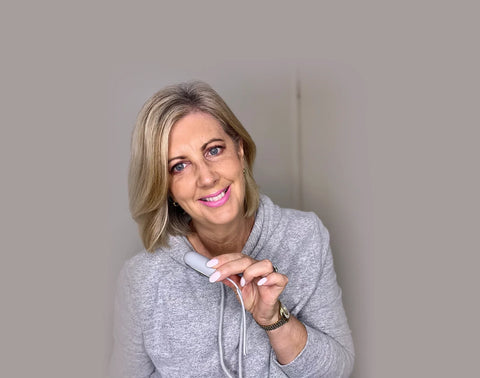
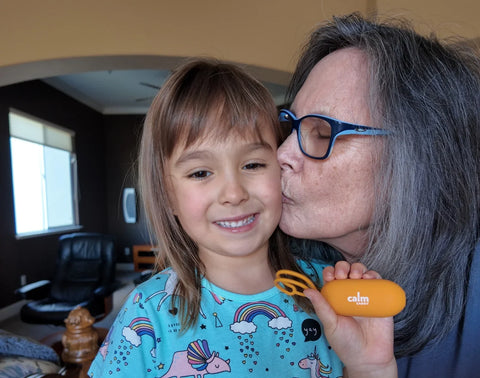
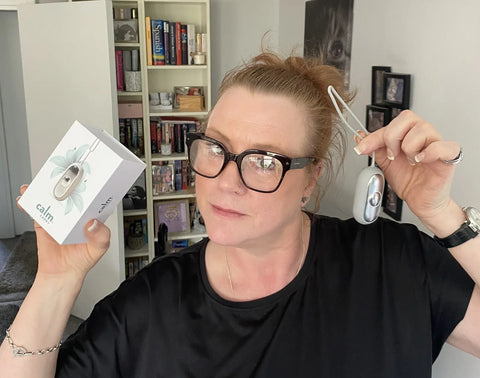
That is the thinking behind CalmCarry for kids, a small hand-held device that gives a soft pulse, like a tiny heartbeat, against the PC8 point in the palm, a spot used in acupressure tradition for over a thousand years. Kids hold it during stories or lights-out as part of the routine. It is a comfort tool, not a medicine, and that is exactly why over 650,000 families keep one on the nightstand. It also earns its place on long car trips and flights.
Other tool-based helpers parents rate: white noise machines (consistent, boring sound), weighted lap pads for story time, and a "worry box" ritual where the day's big feelings get posted away before lights out.
What we would skip
- Sedating antihistamines as a sleep plan. Paediatric guidance is consistently against routine use for sleep, and next-day grogginess is common.
- CBD products for kids. The evidence and regulation are simply not there.
- Adult sleep supplements at "half a dose." Formulations and doses for adults are not designed for children's bodies.
- Doubling down on melatonin when it stops working. Rising doses with fading effect is the most common story we hear, and it is usually the sign to change approach, not increase the amount. If that is where you are, our short guide to moving your family off melatonin may help.
How to choose for your child
- Under 3: routine and environment only. Nothing else without your GP.
- Ages 3 to 6: routine first, then a comfort tool like CalmCarry in the wind-down. Supplements only per the label age range and your GP's nod.
- School age and up: all of the above, plus a magnesium glycinate gummy as part of the routine if you want a supplement that is not a hormone.
- Any age, if sleep problems are severe, sudden, or come with snoring, gasping, or daytime exhaustion: GP first. Every time.
The honest summary: no alternative "replaces" melatonin one-for-one, because nothing gentle works like a hormone dose. What the alternatives do is rebuild bedtime so your child does not need one.
Common questions from parents
What can I give my child instead of melatonin?
The most common gentle options are magnesium glycinate (well absorbed, easy on small stomachs), chamomile, and tart cherry juice, alongside a consistent routine, a 60-minute screen cut-off, and a dark, cool room. Comfort tools like white noise or a hand-held calming device can anchor the wind-down without any supplement at all.
Is magnesium safe for kids every night?
Magnesium glycinate at label doses is generally considered gentle, but "every night, long term" is a conversation for your GP, who knows your child's diet and any medications.
What is the safest sleep aid for kids?
A boring, consistent routine is the safest and best-evidenced sleep aid there is. Among supplements, gentle non-hormonal options like magnesium glycinate and chamomile carry fewer concerns than hormone or antihistamine approaches, but "safest" always depends on your child, which is why the GP check matters.
Will my child's sleep get worse when we stop melatonin?
Some parents report a rocky week while the routine takes over from the supplement. Keeping bedtime rigidly consistent during the switch, and giving your child a replacement ritual (story, gummy, calming tool), smooths the transition for most families.
For the head-to-head on the two most searched options, see magnesium glycinate vs melatonin for kids.
And if safety is your first question, our parent's guide on whether melatonin-free sleep gummies are safe covers the label checklist in full.
For the wider kit beyond supplements, our round-up of the best calming tools for kids covers what parents actually reach for. And when a rough night turns into a rushed start, our step-by-step guide to making school mornings calmer runs the whole morning backwards from the time you leave the house.